
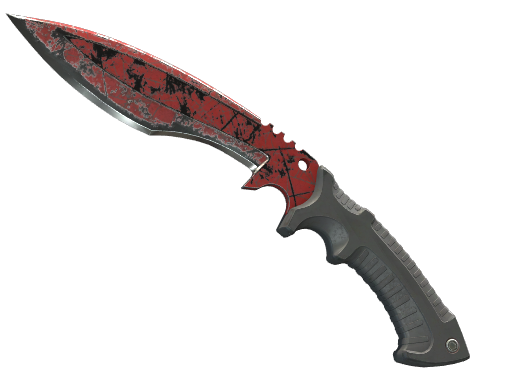
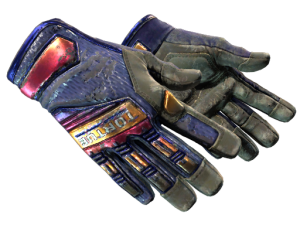

The Steam Community Market turned item trading from a niche feature into a real economy. For Counter-Strike: Global Offensive, where rare skins sell for thousands of dollars, the official platform offers transparency through listed prices and trade history. But alongside it runs a gray market of skin trading sites that operate in Steam's legal shadow, providing marketplaces, price comparisons, and faster trade processing without ever holding Steam accounts or items directly.
The gray market exists because of a structural gap. Steam Trading Cards are officially tradable on the Community Market, but game items like CS:GO skins, Dota 2 cosmetics, or Rocket League items are not. Those skins live in private user inventories and can only move between accounts through Steam's built-in trade system. Third-party sites exploit this by acting as intermediaries: users list their skins, buyers pay through cryptocurrency, PayPal, or wire transfers outside Steam entirely, and the transaction completes when the seller sends the skin to the buyer's Steam account. The site never holds the item long-term; it collects a commission, typically 5% to 15%, while pointing to Steam's own trade system as the actual transfer mechanism.
The legal angle depends on precise wording. Valve bans third-party services from facilitating trades on the Community Market and prohibits selling Steam items through unauthorized channels. Many skin sites avoid this by framing their operations as user-to-user listings where trades happen between individual accounts, not through the site itself. By staying away from automated bots that query the Community Market API at scale, some platforms stay below Steam's detection threshold, which mostly targets high-volume account farming or unusual trading patterns.
This setup lets sites scale quickly. They aggregate large inventories through partnerships with high-volume traders, display real-time prices pulled from Steam's public item data, and add filters for rarity, wear condition, and collections. Payment processing runs entirely outside Steam, often in jurisdictions with weak enforcement of digital asset rules. Buyers get skins shortly after trade confirmation; sellers get paid without juggling multiple Steam accounts.
The risks are real. Steam can detect trading patterns associated with unauthorized platforms and issue trade holds or permanent bans. Sites have been shut down after Valve sends takedown notices, especially when activity shows obvious violations like accounts repeatedly trading through the same intermediary. Scams happen: sellers take payment and never send the skin, leaving buyers with nothing. Linking a Steam profile directly to a third-party site can also expose account credentials. The gray market persists despite all this because it usually offers better prices and faster transactions than the official market, where prices swing with supply and community hype.
The effects on gaming economies are real too. Demand for exclusive skins drives up official prices, pushing players toward gray-market alternatives. That demand has built out an ecosystem of skin-inspection tools, case-opening simulators, and price trackers that compete with Steam's own tools. Eastern European and Asian sites often lead in inventory depth and processing speed, partly because of time-zone coverage and lower operating costs. Valve has responded occasionally with stricter account verification or improved detection of suspicious trade patterns, but nothing that has closed the loophole.
The whole situation reflects a tension that digital goods platforms haven't resolved: user freedom versus platform control. Steam's rules ban direct item sales, but the indirect facilitation model keeps these sites running. If item values keep climbing and trading volume grows, Valve may tighten enforcement by restricting public API access or going after shared payment flows. Anyone buying or selling skins through these sites should check site reputations carefully and consider whether the official market's stability is worth the higher price.
