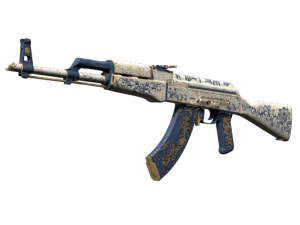
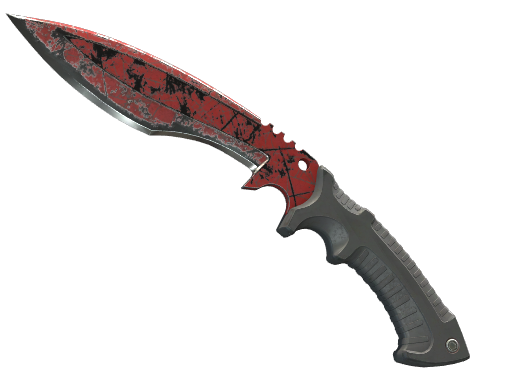
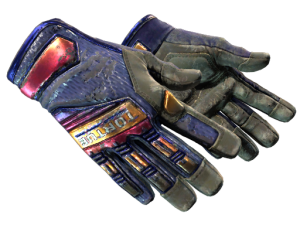
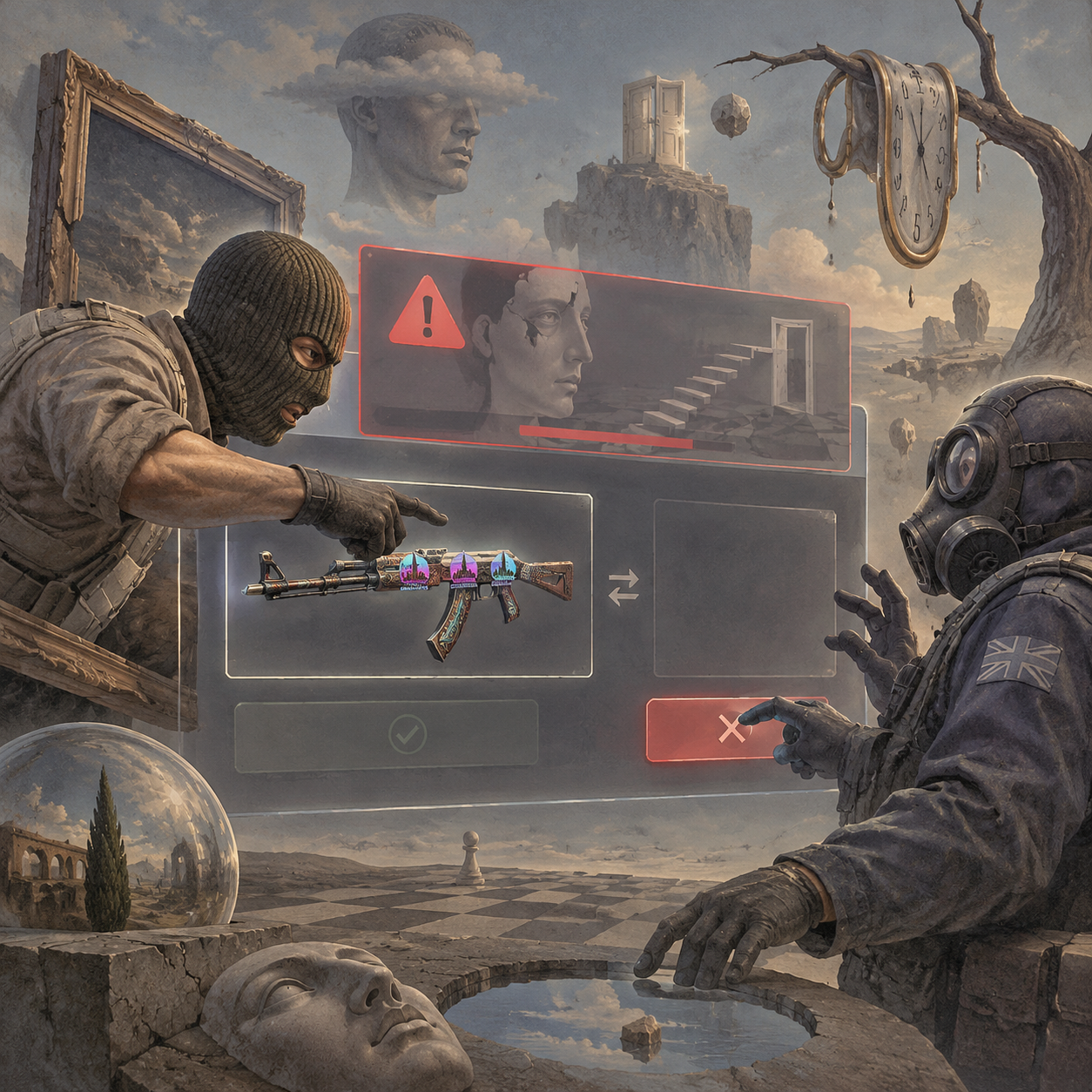
High-tier CS2 trading looks like a market until you hit the part where values stop being objective. A trade that seems balanced in a screenshot can fall apart in seconds, and more often than not the thing that kills it is sticker premiums. Not a lowball. Not a float mismatch. Stickers. If you've spent any time in trade servers, you've seen this exact fight.
The whole dispute comes down to one question: how much extra do the stickers on a skin add? Simple to ask, hard to answer. The number depends on math, market sentiment, personal taste, and a certain amount of hope. Ignore that and you either overpay badly or spend an hour arguing with someone who has already started calling you a scammer in a Discord server with fifty thousand members.
First, why do stickers carry a premium at all? In CS2, an applied sticker is a destroyed commodity. The unapplied version sitting in someone's inventory has a liquid value you can check on any major marketplace. The moment you drag it onto a weapon, it stops being tradable and becomes a permanent modification. That destruction gives the applied sticker a scarcity value, though only a fraction of the original. The market has loosely settled on a baseline: an applied sticker is worth somewhere between 3% and 10% of its unapplied value. That's where the agreement ends.
The percentage war is the first real fight. A seller with a four-year-old Katowice 2019 sticker might demand 10% of its current price, pointing to rarity and perfect positioning on a desirable skin. The buyer counters at 3%, citing the "liquid market" principle that applying a sticker cuts its audience by ninety percent. There is no official rulebook. Some high-tier traders will pay 15% or even 20% for a best-positioned Crown Foil on a Black Scope AWP Asiimov, then laugh at 5% for a random Cologne 2016 holo on a Blue Laminate. The disagreement is whether a sticker and skin pairing makes a collector's item or just a cluttered mess.
Then there's matching, which can turn hostile fast. A seller might have a USP-S with four identical Reason Gaming holos, crafted back in 2015, and demand a set completion multiplier on top of a percentage of the sticker sum. "It's a 4x craft," they'll say, as if the word craft multiplies value by two on its own. Sometimes they're right. A true 4x holo craft on a classic skin is a piece of art, and the market does pay a multiplier that can exceed the sum of the individual sticker premiums. The problem is that everyone defines "craft" differently. A buyer will argue that four mixed team stickers from the same tournament isn't a real theme craft, while the seller insists the color coordination alone justifies a 50% overpay. The deal dies while both sides send increasingly annoyed messages about what counts as a color match.
Position gets even messier. A Crown Foil on the wood of an AK-47 Fire Serpent adds real value. The same Crown on the stock, the magazine, or, heaven forbid, the bolt where it's barely visible outside an inspect animation? The seller might still ask for 5% sticker price. The buyer sees a ruined sticker that adds nothing, or negative value, because it blocks a clean slot for a better one. The rear grip of a Glock is the classic example. A seller will price their Glock as if the sticker hidden on the bottom of the handle is a precious secret; the buyer will say it's the same as having no sticker at all. No price chart settles this. It comes down to screenshots and how much you trust an inspect server.
Then there's the valuation method itself, or what people call the Buff163 problem. Most serious traders now price everything off Buff163, the Chinese marketplace that drives the skin economy. The conflict starts when a seller uses Buff to find a rare sale where a similar stickered item went for a high premium, while the buyer checks the Steam Community Market or another aggregator where the same skin has no premium history. A seller will announce, "There are only three of these on Buff, and the cheapest is listed at 150% market price," and leave out that the listing has sat unsold for eleven months. The buyer replies, "Last actual sale went for 2% sticker price. I'll pass." The argument has moved from the sticker to whose data counts.
Another flashpoint people miss is Kato 2014 non-holo papers, or older tournament stickers that are technically rare but visually subtle. A seller might have a skin with a Titan Katowice 2014 paper sticker and mentally add a big sum because "it's a Titan Kato." The buyer only cares about holos. That mismatch kills deals instantly. The seller feels disrespected by someone treating a relic like a scrap; the buyer feels the seller is trying to mortgage a house over a gray smudge that maybe ten people in the world actively seek.
These fights do more damage than one broken trade. They build mutual suspicion. Sellers keep blocklists of "sticker lowballers" who won't pay premiums. Buyers keep blacklists of "sticker delusionals" who think every applied paper sticker from 2015 is a gold mine. Reputation threads fill up with angry testimony where the numbers look almost fair but the sticker premium argument got so bitter that both sides walk away claiming a moral victory. The sad part is that the underlying deal might have been fine. A fair knife swap. A balanced cash trade for a high-tier item. Then one line item worth maybe twenty dollars takes down the whole thing.
Keeping a sticker premium fight from sinking your deal comes down to being upfront before anyone opens a trade window. As a seller, don't spring a sticker premium at the last moment. Advertise the item with a clear breakdown: "Sticker price based on 5% SP, open to discussion." Better yet, show your math. Screenshot the unapplied sticker prices from a trusted source and show exactly the percentage you're applying. If it's a 4x craft, explain why a multiplier applies and cite recent sold comparables if you have them. Hiding the premium until the end feels deceptive and triggers an instant defensive reaction.
As a buyer, don't treat applied stickers as literal trash. Opening with "stickers add zero value, remove them from the equation" on a skin with a Katowice 2015 holo just makes you look like an aggressive time-waster. Acknowledge the craft with a reasonable opening percentage, even if it's at the low end, and be ready to walk if the seller wants a premium you consider fantasy economics. Something like "I can do 3% sticker price on those, but I understand if you're looking for more" sets a boundary without starting a fight.
If you find yourself repeating the same arguments about position, visibility, or market versus Buff pricing, stop. The deal is already dead. You can't force someone to see a sticker the way you do. Value in this corner of the market is personal. A sticker that reminds a seller of their first major tournament might be priceless to them and worthless to you. Accept the stalemate without turning it into a fight. The skin will find a buyer who loves it enough to pay a premium, or the seller will adjust after weeks of silence. Your goal is a deal where both of you feel slightly lucky instead of slightly robbed.
No universal rule will solve the sticker premium dispute. The dispute is built into the market. These items are functional assets and digital art at once, and the two roles don't always agree on a price. Understanding the percentages, positions, crafts, and data sources gives you the vocabulary to talk it through. Respecting the subjectivity lets you keep your reputation when a deal craters over a 3% difference on a sticker nobody will notice during a match. Next time a beautiful skin with perfect stickers makes your heart beat faster, appreciate the seller's passion and work out your own limit. If the gap is too wide, let it go. Some of the best deals you'll ever make are the ones you refuse, right before the shouting starts.
