
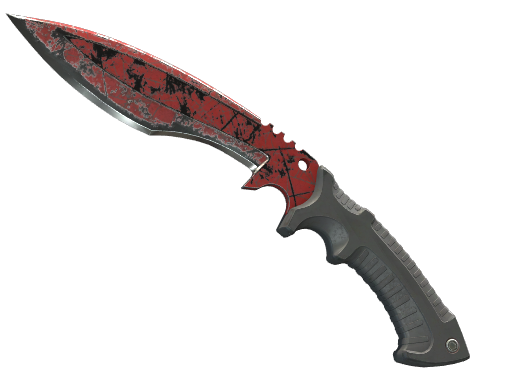
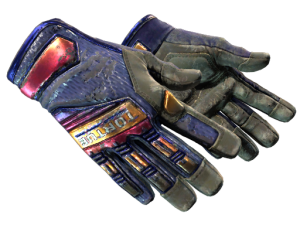
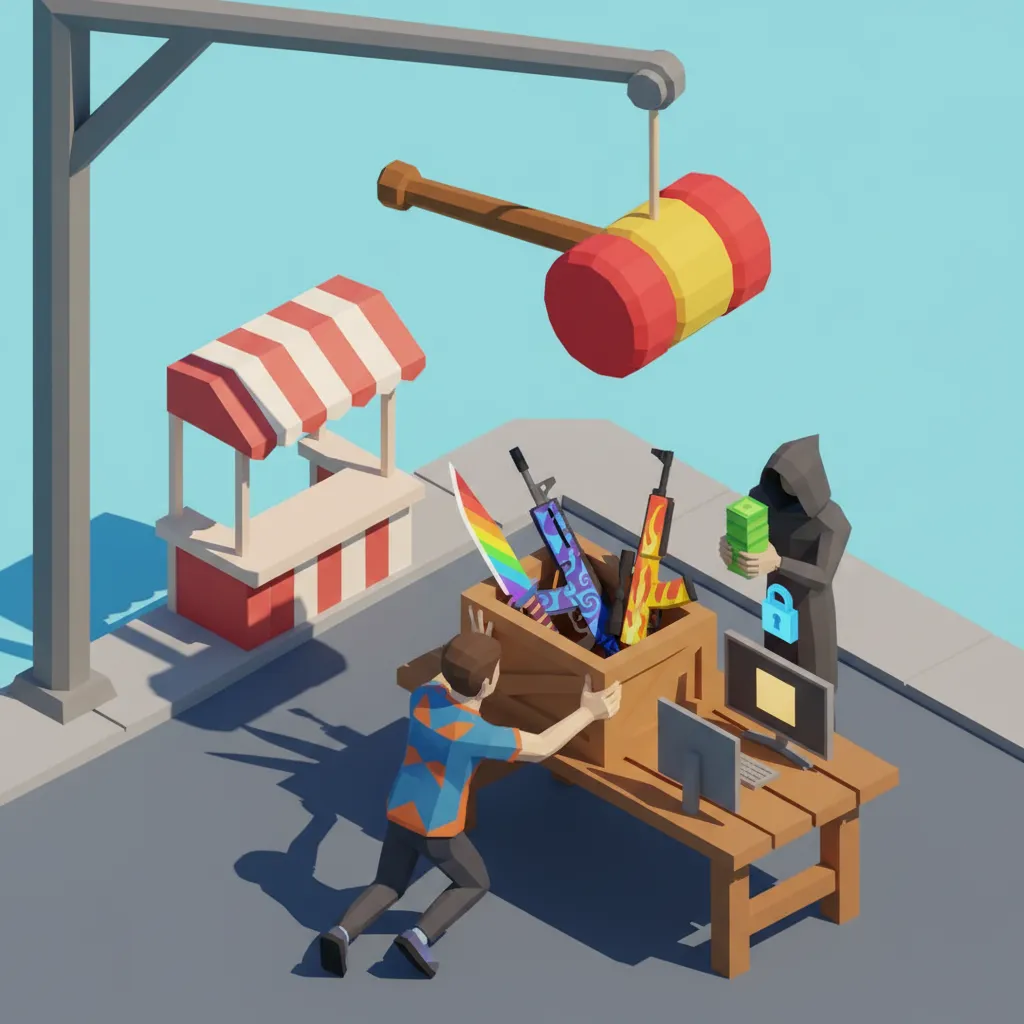
Professional esports players can own valuable collections of in-game cosmetics, especially in Counter-Strike and Dota 2. Rare Counter-Strike skins can sell for hundreds of thousands of dollars, though most items are worth far less. When players want to cash out, some turn to outside marketplaces or private buyers. The appeal is straightforward: they want money they can spend outside the game.
There are important differences between games, however. Counter-Strike and Dota 2 support item trading, subject to restrictions. League of Legends does not have a comparable system for selling skins between players. Selling a League account is a different transaction, with different rules and risks. Treating all three games as one market makes it harder to explain what players are doing and whether it violates a platform's terms.
For players with tradable inventories, access to cash can matter more than the listed value of their items. Steam Community Market sales pay out in Steam Wallet funds, which users cannot withdraw directly to a bank account. An outside sale may therefore be attractive even if the buyer offers less than the item's Steam market price.
Financial pressure is one possible reason to sell. A player who loses a team contract or sponsorship may need to cover rent or support family members while looking for another opportunity. An expensive inventory is an asset they can liquidate. But without testimony from the players involved, it would be speculation to attribute a particular sale to medical bills, gambling debts, substance use, or other personal difficulties.
Other sellers may simply think it is a good time to take a profit. Skin prices fluctuate, and holding a valuable collection means accepting the possibility that its value will fall. A player might also want to put the money toward a home, another investment, or a career outside esports.
Private sales can give sellers room to negotiate, particularly when an item has unusual features that interest collectors. That does not guarantee a better return. Fees, buyer demand, payment methods, and the urgency of the sale all affect the price. Claims that players can routinely double or triple their proceeds by selling privately need evidence.
The risks also depend on how the transaction works. It is too broad to say that every outside sale automatically leads to a ban, or that Valve and Riot apply identical rules. Sellers need to check the current terms for the game and services they use. Account sales, prohibited commercial activity, and transactions connected to fraud can raise different issues.
Scams are a more immediate concern. A buyer may reverse a payment after receiving an item. A fake marketplace or impersonated middleman may steal login credentials or redirect a trade. Escrow services can reduce some payment risks, but sellers still have to establish that the service is trustworthy. Recovering items or money after a private deal goes wrong can be difficult.
For a professional player, losing access to a valuable account could have serious financial consequences. Any effect on tournament eligibility, sponsorships, or team relationships would depend on the circumstances. A trading restriction should not automatically be treated as a competitive ban, and an outside cosmetic sale does not by itself establish cheating or unfair play.
Players have understandable reasons to turn virtual items into cash. Assessing those decisions requires knowing the game's rules, the terms of the sale, and the protections available if something goes wrong. Clearer guidance from platforms would help sellers understand those tradeoffs before they hand over an inventory.
